Blog

  • Magnus – an update

    Magnus – an update

    Magnus the Walrus: A Fun Adventure Across the North Sea

    Magnus the walrus has been stealing the spotlight along the Moray Firth coast lately, grabbing the attention of wildlife fans and locals. The latest news comes from Norway, where about a week after Magnus left Hopeman, a young walrus showed up at Kirkehamn on Hidra in southern Norway. A fisherman saw the walrus chilling on a platform, and the photos make it pretty clear it’s Magnus.
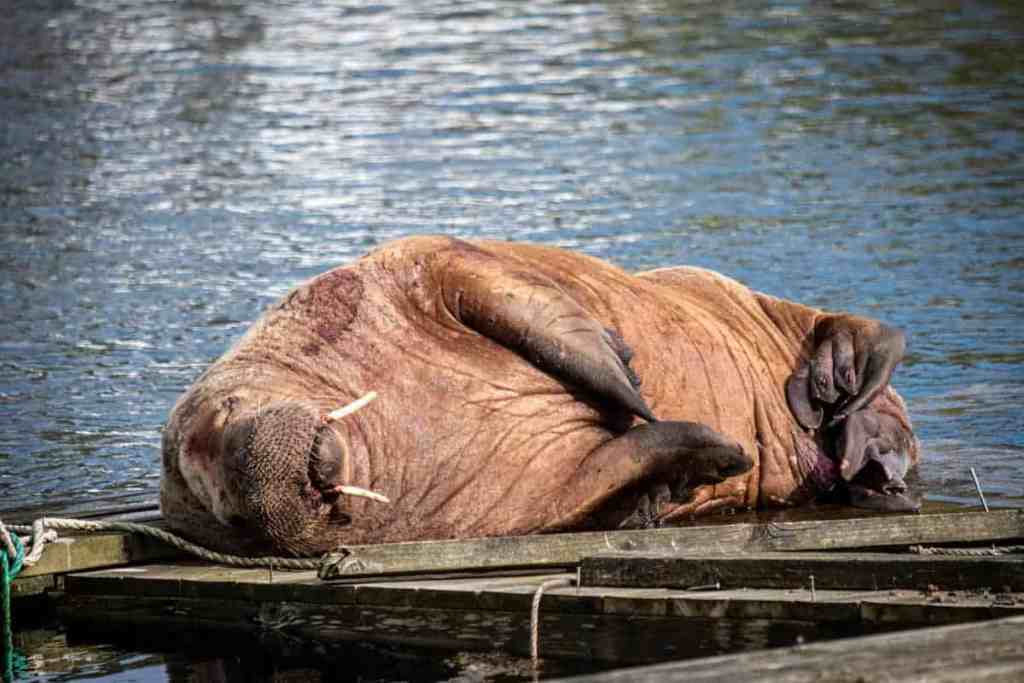
    Sleeping walrus on pontoon
    Magnus the Walrus asleep on a pontoon in Norway

    Following Magnus’s Journey

    There’s now a map tracking Magnus’s travels, starting from Skreda in Offersoy, through Rorvik Marina and Rensvik Marina, all the way to Stronsay, where he first entered UK waters. From there, he cruised along the Moray Firth coast, including the Macduff area, before crossing the North Sea and landing in Kirkehamn, Norway.

    Map showing the movements of Magnus over the last few months
    Map showing the movements of Magnus over the last few months

    Another Walrus Joins the Story

    Things got even more interesting when another walrus was spotted at Tofteroy near Bergen. This one looked bigger and older, with much larger tusks. Both walruses are thought to be from Svalbard, a place known for its walrus population. It’s likely Magnus and this new walrus are part of the same group.

    What’s Next for Magnus?

    Magnus’s journey has been closely followed, and it’s exciting to see him making his way down Norway’s western coast. There’s hope he’ll keep heading north now he is back in Norwegian waters. Since both walruses probably came from Svalbard, their travels are giving us cool insights into how these amazing animals move around.

    Keep an eye out for more updates—Magnus might pop up again soon!

  • Magnus the Walrus

    Magnus the Walrus

    Image of a walrus on a pontoon in a harbour.

    Something I never thought I would see in my lifetime …. a Walrus!

    Magnus, a young Atlantic walrus, has become a bit of a local legend as he explores the northeast coast of Scotland. At about two and a half meters long and weighing up to 600 kilos, he’s thought to be an adventurous visitor from the Arctic, likely drawn south by shifting sea ice.

    Exploring the Scottish Coast

    Magnus first showed up in April 2026 on Stronsay in Orkney, which happened to be St. Magnus Day—how perfect is that? That’s how he got his name. From there, he made his way about 100 miles south to Lossiemouth Marina, where he chilled out on a floating pontoon for a few days, much to the delight of everyone who spotted him.

    But Magnus didn’t stop there. He’s also been seen in Macduff, Fraserburgh, Hopeman, and Findochty, where we had the pleasure of seeing him, making each spot his temporary hangout. By May 2026, his last known stop was in a village in Moray, but he’s likely still on the move, snacking on clams and mussels along the way.

    A Healthy Adventurer

    Marine experts from British Divers Marine Life Rescue (BDMLR) have checked in on Magnus and say he’s in great shape. They call him a “vagrant walrus,” just out exploring new places. He’s been entertaining crowds with his antics—scratching on metal posts, climbing into boats, jumping off harbor walls, and even rolling into the sea while napping.

    Keeping Magnus Safe

    Officials are asking people to give Magnus plenty of space. Walruses are protected under UK law and need their rest to save energy. In some areas, police have even set up barriers to make sure he stays safe and undisturbed.

    Why Is Magnus Here?

    Walrus sightings in the UK are pretty rare, but they’ve been happening more often lately. Scientists think the loss of Arctic sea ice is pushing these animals to travel further to find good resting spots between meals. Young, adventurous males like Magnus are more likely to end up in unfamiliar waters.

    Magnus’s journey is a reminder of how our environment is changing and how wildlife adapts. As he continues his travels, he’s bringing a sense of wonder and excitement to Scotland’s coast, inspiring people to appreciate and respect the natural world.